The Facts
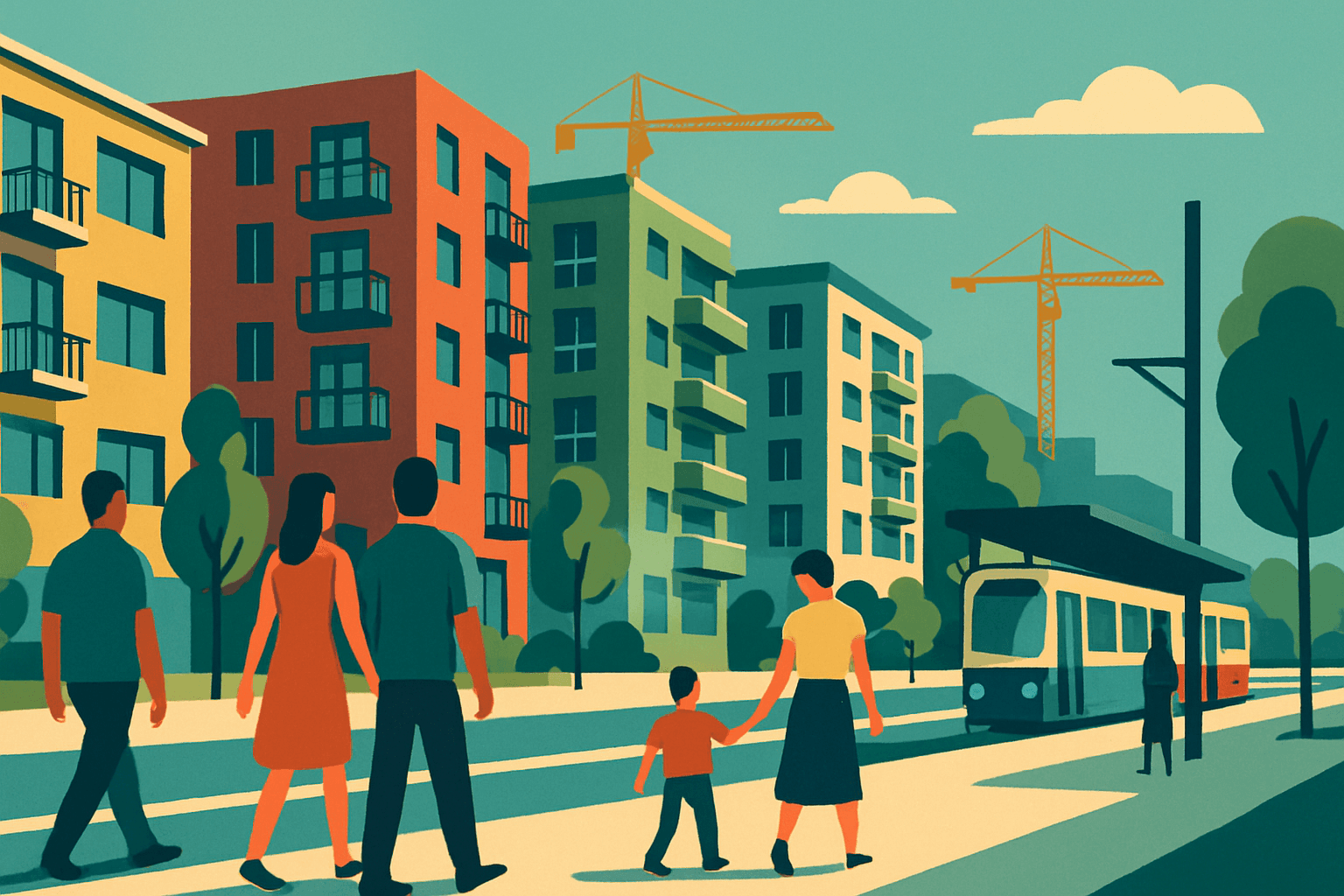
Between 2015 and 2024, Austin built 120,000 new homes. And, in no surprise to any economist, the median rent fell—from $1,546 in December 2021 to $1,296 in January 2026, according to a new Pew analysis. By comparison, San Francisco adding just 35,000 homes in the same period, failing to meet demand and leading to rents rising: 14% in 2026 and 11% in 2025) alone. In 2015, both cities were roughly the same size. But now Austin is larger and more affordable.
Austin paired market-rate production with affordable-housing bonds, ensuring their subsidized homes were actually funded and actually built. San Francisco has an unfunded mandate to build similar homes.
The Context
Austin didn't rely on any single "silver bullet". Their HOME amendments allowed up to three homes on many single-family lots, and Affordability Unlocked granted height, density, and parking relief to projects that reserved half their units as affordable.
San Francisco's Family Zoning Plan similarly legalizes more small homes in neighborhoods that long blocked them, and Scott Wiener's state laws grant extra height and density for added subsidized units, but Austin shows that zoning reform works best when it is paired with faster approvals, funded mandates, and a broadly more welcoming regulatory environment for apartments.
The GrowSF Take
The evidence is overwhelming: build more homes, and rents come down. Some elected officials still pretend otherwise.
The lesson for City Hall is simple: if we want lower rents, we must make housing easy to build at scale with automatic approvals for homes of all sizes, simpler rules, and permits measured in weeks, not years.
Write your email to the Board of Supervisors
To:
Sign up for the GrowSF Report
Our weekly roundup of news & Insights